
As a supplier of high - quality loading ramps, I often get asked whether our ramps can be used for loading pianos. This is a valid question, considering the unique nature and high value of pianos. In this blog, I'll delve into the feasibility of using a loading ramp for piano loading, the factors to consider, and the types of ramps that are most suitable.
The Feasibility of Using a Loading Ramp for Pianos
Pianos are large, heavy, and extremely delicate musical instruments. Their weight can range from a few hundred pounds for a small spinet piano to over a thousand pounds for a concert grand. Moving them requires careful planning and the right equipment.
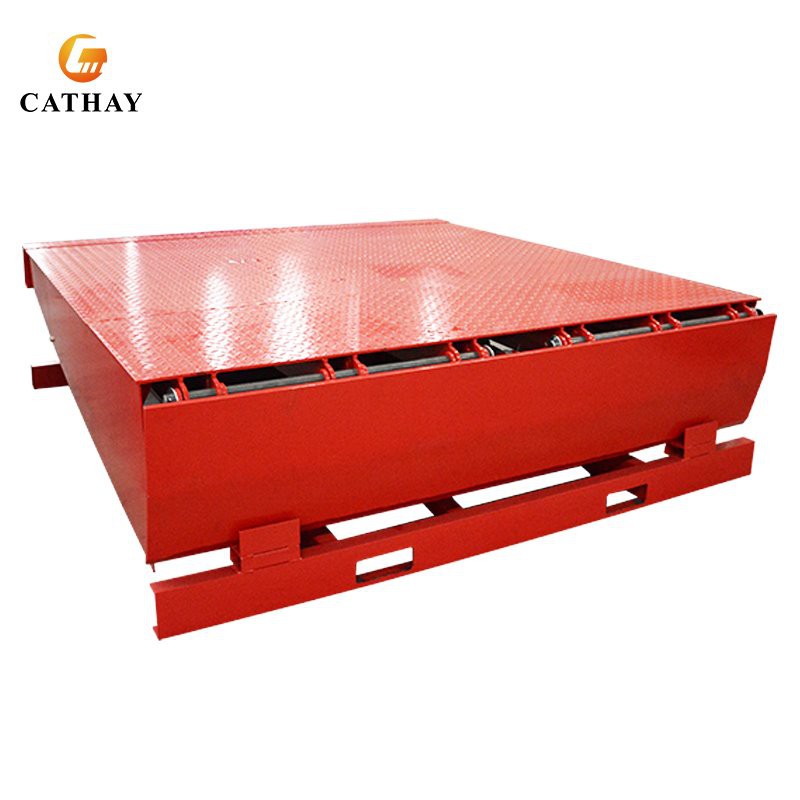
The good news is that, in most cases, a well - designed loading ramp can be used for loading pianos. Loading ramps are designed to provide a smooth transition between different levels, which is essential when moving heavy objects like pianos onto trucks, vans, or into storage facilities. However, not all ramps are created equal, and several factors need to be considered before using a ramp for piano loading.
Factors to Consider
Weight Capacity
The first and most crucial factor is the weight capacity of the ramp. As mentioned earlier, pianos can be very heavy. You need to ensure that the ramp you choose can support the weight of the piano and any additional equipment or personnel that will be on the ramp during the loading process. For example, a grand piano can weigh up to 1200 pounds or more. So, you'll need a ramp with a weight capacity well above this figure to ensure safety. Our Loading Dock Equipment is available in a variety of weight capacities, allowing you to select the one that best suits your needs.
Ramp Length and Angle
The length and angle of the ramp also play a significant role. A longer ramp will have a shallower angle, which makes it easier to move the piano up the ramp. A steep ramp can put excessive strain on the movers and increase the risk of the piano tipping over. A general rule of thumb is that for every 1 inch of height difference, you should have at least 12 inches of ramp length. This will ensure a gentle incline that is safe for moving the piano.
Surface Texture
The surface texture of the ramp is another important consideration. Pianos are often moved using dollies or other wheeled equipment. A ramp with a smooth but non - slippery surface is ideal. A rough surface can damage the wheels of the dolly or make it difficult to move the piano smoothly, while a slippery surface can pose a safety hazard. Our ramps are designed with a specialized surface texture that provides good traction while still allowing for smooth movement.
Durability and Stability
Pianos are not only heavy but also have an irregular shape. The ramp needs to be durable enough to withstand the weight and the movement of the piano without bending or breaking. It should also be stable, with a solid base that won't shift during the loading process. Our Mobile Dock Ramp For Truck Loading Unloading is constructed from high - quality materials that ensure durability and stability.
Types of Ramps Suitable for Piano Loading
Portable Ramps
Portable ramps are a popular choice for piano loading, especially if you need to move the piano to different locations. They are easy to transport and can be set up quickly. Our portable ramps are lightweight yet strong, making them ideal for this purpose. They come in various lengths and weight capacities, allowing you to choose the one that best fits your needs.
Fixed Ramps
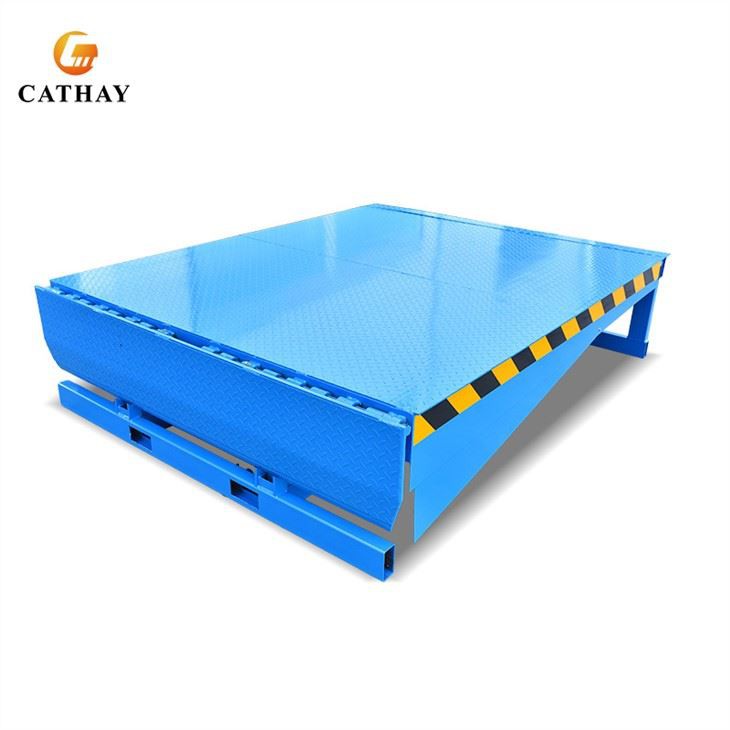
Fixed ramps are a good option if you have a permanent loading area, such as a piano storage facility or a music store. They are more stable than portable ramps and can be customized to fit the specific requirements of your location. Our Loading Dock Leveler is a type of fixed ramp that provides a smooth and level transition between the dock and the truck, making it easier to load and unload pianos.
Safety Precautions
When using a loading ramp to load a piano, safety should be your top priority. Here are some safety precautions to keep in mind:
- Inspect the Ramp: Before using the ramp, carefully inspect it for any signs of damage or wear. Make sure all the components are in good working condition.
- Use the Right Equipment: Use a high - quality piano dolly or other suitable moving equipment. Make sure the dolly is rated for the weight of the piano.
- Have Enough Movers: Moving a piano is a two - person or multi - person job. Make sure you have enough strong and experienced movers to handle the piano safely.
- Secure the Piano: Once the piano is on the ramp, use straps or other securing devices to prevent it from moving or tipping over.
Conclusion
In conclusion, a loading ramp can definitely be used for loading pianos, but it's essential to choose the right ramp and take the necessary safety precautions. As a leading supplier of loading ramps, we offer a wide range of products that are suitable for piano loading. Whether you need a portable ramp for occasional use or a fixed ramp for a permanent loading area, we have the solution for you.
If you're in the market for a loading ramp for piano loading or any other application, I encourage you to contact us for more information. Our team of experts can help you select the right ramp based on your specific needs and provide you with all the support you need during the purchasing process.
References
- "Moving Large and Heavy Items: Best Practices", Industry Safety Journal, 2022
- "Piano Moving Guide", National Piano Association, 2023