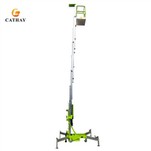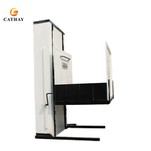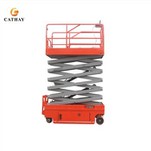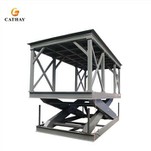


The Role of Hydraulic Systems in Multi-Function Wheelchair Lift Designs
In the design of multi-function wheelchair lifts, the choice of drive system is crucial. Hydraulic systems, with their unique advantages, have become the preferred solution for such equipment. This article explores the benefits of hydraulic drive systems in wheelchair lifts and how they meet critical requirements such as safety, stability, and durability.
1. Smooth Operation for Enhanced User Experience
Hydraulic systems transmit power through hydraulic fluid, enabling stepless speed control and gentle starts and stops, avoiding sudden jerks or impacts that may occur with electric actuators or gear drives. This is particularly important for users with mobility challenges (such as the elderly or individuals with disabilities), ensuring a smooth and comfortable lifting process and minimizing discomfort.
Low-speed, high torque: Hydraulic motors can deliver strong power at low speeds, making them ideal for slow and stable lifting needs.
Shock absorption: The compressibility of hydraulic fluid helps absorb vibrations, ensuring smoother operation.
2. High Load Capacity for Diverse Needs
Hydraulic systems offer high power density, providing substantial lifting force in a compact structure. Multi-function wheelchair lifts typically need to support weights of 300–500 lbs (136–227 kg) (including the wheelchair and user), and hydraulic systems can easily handle this demand:
Heavy-duty performance: Compared to electric actuators or chain drives, hydraulic cylinders are better suited for high-load applications.
Stable support: Even when paused mid-operation, hydraulic systems maintain pressure, preventing sudden drops due to power loss or mechanical failure.
3. Safety and Reliability, Compliant with Industry Standards
Wheelchair lifts must adhere to strict safety standards (such as the ADA (Americans with Disabilities Act) or ISO 10535), and hydraulic systems offer multiple safety advantages:
Self-locking function: Hydraulic valves automatically lock in place when stopped, preventing accidental lowering.
Overload protection: When system pressure reaches its limit, relief valves release excess pressure to avoid equipment damage.
Emergency manual lowering: In case of power failure or malfunction, a manual pressure release valve allows the platform to descend slowly, ensuring safe evacuation.
4. Durability in Harsh Environments
Hydraulic systems remain stable in high-humidity, dusty, or extreme-temperature environments, making them more durable than purely electric systems:
Corrosion-resistant design: Hydraulic cylinders can be made of stainless steel or coated for outdoor or medical use.
Low maintenance: Hydraulic systems have a simple structure with low failure rates, requiring only periodic checks of fluid levels and seals.
5. Energy Efficiency and Low Operating Costs
Although hydraulic systems require hydraulic fluid and pumps, their high energy efficiency results in lower long-term costs:
On-demand power: Energy is consumed only during lifting, with almost no power usage in standby mode.
Long lifespan: Hydraulic components (such as cylinders and pumps) can last over 10 years, reducing replacement frequency.
Conclusion: Hydraulic Systems Are the Optimal Choice for Wheelchair Lifts
Multi-function hydraulic wheelchair lifts use hydraulic drive systems primarily due to their smooth operation, high load capacity, safety, durability, and energy efficiency. Whether used in vehicle modifications or building accessibility installations, hydraulic systems deliver reliable and comfortable performance, meeting the needs of individuals with disabilities and caregivers.
With technological advancements, future hydraulic systems may integrate electric-assist features (e.g., servo motor + hydraulic hybrid drives) to further improve efficiency and smart control. However, the core advantages of hydraulic drives will continue to play a vital role in the wheelchair lift industry.
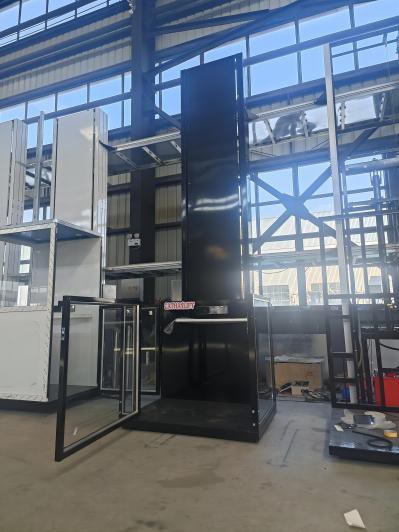
For more information about the Multi-Function Hydraulic Wheelchair Lift, welcome to contact us.
Shandong Cathay Machinery Co., Ltd
www.cathaylift.com
Email: sales@cathaylift.com