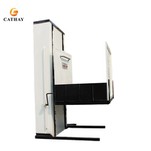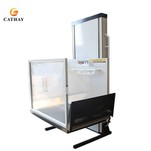


The Interplay of Mechanics and Hydraulics: A Deep Dive into Auto Scissor Lifting Platform Functionality
The Auto Scissor Hydraulic Lifting Platform is a widely used piece of equipment in industrial production, warehousing, and construction. Its operation relies on the precise coordination between mechanical structure and hydraulic power. The platform's working principle is based on the geometric movement of the scissor mechanism and the fluid pressure transfer within the hydraulic system, enabling accurate vertical lifting.
1. Scissor Mechanism: The Structural Core
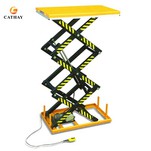
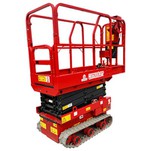
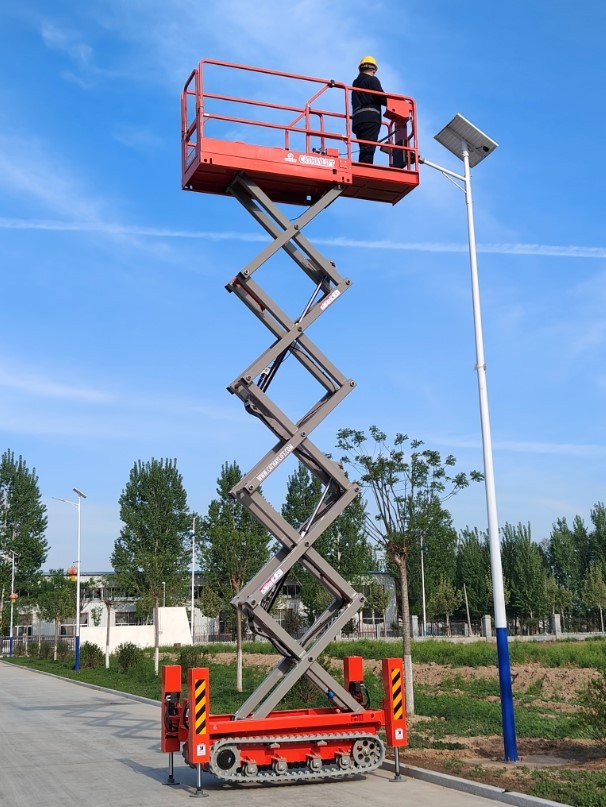
The term "scissor" refers to the platform's supporting framework, which consists of multiple pairs of crisscrossed arms arranged in an X-shape, resembling open scissors. By adjusting the opening angle of these arms, the platform can rise or lower. This design offers excellent load stability and mechanical symmetry, ensuring balance during elevation and making it suitable for frequent lifting operations under medium to heavy loads.
The scissor arms are typically made from high-strength steel, with pivot connections using pins and bushings to maintain structural flexibility and reduce wear. Rollers or sliders at the base help minimize friction and guide the lifting motion smoothly and precisely.
2. Hydraulic System: The Power and Control Hub
At the heart of the Auto Scissor Hydraulic Lifting Platform lies the hydraulic system, composed of a hydraulic cylinder, pump, motor, reservoir, and valve assembly. When the operator activates the control button, the electric hydraulic pump starts working, drawing hydraulic oil from the reservoir and sending it under pressure into the cylinder. The movement of the piston in the cylinder causes the scissor arms to expand or contract, driving the platform to move vertically.
The operating cycle can be divided into three main stages:
Lifting Stage: The motor powers the hydraulic pump, pressurized oil flows into the cylinder, extending the piston, expanding the scissor arms, and lifting the platform.
Holding Stage: The control valve closes and seals the circuit, locking the hydraulic oil in the cylinder and keeping the platform at the desired height.
Lowering Stage: When the operator presses the down button, a directional valve opens, allowing hydraulic oil to return to the tank, retracting the piston, closing the scissor arms, and lowering the platform.
To ensure safety, the system is equipped with explosion-proof valves, pressure relief valves, and one-way lock valves, which prevent sudden drops due to power failure, overload, or hydraulic faults-safeguarding both personnel and materials.
3. Control System: Automation Meets User-Friendly Operation
Modern Auto Scissor Hydraulic Lifting Platforms are often equipped with push-button control panels, handheld remotes, and optional PLC systems. These enable features such as multi-level positioning and timed lifting, offering greater automation. Operators can effortlessly control the platform with simple button presses, significantly enhancing both safety and ease of use.
In conclusion, the working principle of the Auto Scissor Hydraulic Lifting Platform is a well-orchestrated integration of mechanical structure, hydraulic power, and intelligent control. The scissor design ensures reliable support, the hydraulic system delivers powerful and stable lifting, and the smart controls offer operational flexibility. These features make the platform a trusted and efficient tool for vertical handling in a wide range of modern industrial applications.
For more information about the auto scissor lifting platform, welcome to contact us.
Shandong Cathay Machinery Co., Ltd
www.cathaylift.com
Email: sales@cathaylift.com