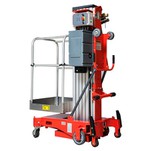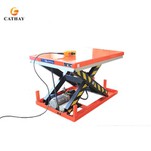


In the three-dimensional operational spaces of modern industry and commerce, the efficiency and reliability of vertical transportation directly impact the smoothness of the overall logistics chain. As a core piece of equipment connecting different floors and integrating spatial resources, hydraulic freight elevators, with their unique technological approach and application advantages, have become an indispensable infrastructure for many industries in optimizing internal logistics. This article will delve into its technical characteristics, applicable scenarios, and economic value, analyzing its key role in current industry upgrades.
I. Technological Core: A High Degree of Unity of Stability, Durability, and Flexibility
The core advantage of hydraulic freight elevators stems from their driving principle. Unlike traction elevators, hydraulic systems use cylinders to drive pistons to lift the platform. This process results in smooth and uniform power output, particularly excelling in heavy-load starts and precise leveling. An advanced electronically controlled transmission system ensures precise control and a low failure rate during operation, while the system structure is relatively streamlined. The main power unit is located in the pit or on the side, eliminating the need for a large machine room and extremely high ceilings, greatly improving space utilization.
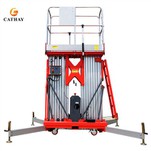
Modular design is another major technological highlight. From single-column models adaptable to confined spaces and with moderate load capacity, to dual-column and multi-column reinforced structures designed for heavy and large-sized goods, this scalable support system allows the equipment to flexibly adapt to diverse needs ranging from light materials to heavy palletized cargo. Users can customize according to specific load capacities (typically from hundreds of kilograms to tens of tons), lifting heights, and platform dimensions, achieving a high degree of flexibility in "configuration on demand."
II. Application Scenarios: Wide Adaptability from Standardized Warehousing to Specialized Production
The practicality of hydraulic freight elevators transcends a wide range of industry boundaries:
Industrial Manufacturing and Warehousing Logistics: In factory workshops and automated warehouses, it is the backbone equipment for handling raw materials, semi-finished products, and finished products. Its stability effectively protects precision instruments or fragile goods, while its high load capacity meets the needs of transferring densely packed palletized goods. The aforementioned Milan beverage distribution center case is a typical application in high-frequency, heavy-load scenarios.
Commercial Retail and Logistics Services: Hotels, supermarkets, libraries, and other places often use it to transport linens, merchandise, books, and other supplies. Its low noise and low vibration characteristics allow it to seamlessly integrate into operating environments with high environmental requirements. Specialized Industries and Renovation of Old Buildings: For scenarios requiring heavy-duty lifting, such as auto repair and waste material recycling, or for old factories and historical buildings where traditional elevators are difficult to install due to structural limitations, hydraulic freight elevators offer an economically viable solution due to their installation flexibility and powerful lifting capacity.
III. Economic Analysis: Advantages in Total Life Cycle Costs
The affordability of hydraulic freight elevators lies not only in their initial investment but also in their significantly low operating and maintenance costs. Their relatively simple mechanical structure means that maintenance primarily focuses on periodically checking the hydraulic oil status and sealing system, resulting in a much lower frequency and complexity of routine maintenance compared to some complex automated conveyor systems. Excellent durability ensures stable operation over a decades-long lifespan, making the average annual cost highly competitive.
More importantly, the efficiency improvements they bring directly translate into commercial value. By reducing manual handling intensity, shortening cargo turnaround time, and lowering cargo damage rates, they effectively optimize internal workflows, freeing up manpower for higher-value tasks, thus generating continuous implicit benefits for enterprises. Their low energy consumption also aligns with current corporate sustainability goals.
Conclusion
Driven by both industrial upgrading and the intensive use of space, the selection of vertical transportation solutions is becoming increasingly crucial. Hydraulic freight elevators, with their inherent technological stability, excellent adaptability to various scenarios, and outstanding full-cycle economics, have proven themselves to be more than just simple lifting equipment; they represent a fundamental investment that can be deeply integrated into enterprise operations and enhance core competitiveness. With the further integration of intelligent control (such as connecting to the Internet of Things for condition monitoring and predictive maintenance), this classic piece of equipment will continue to play a highly efficient, reliable, and intelligent "vertical artery" role in the modern logistics system.
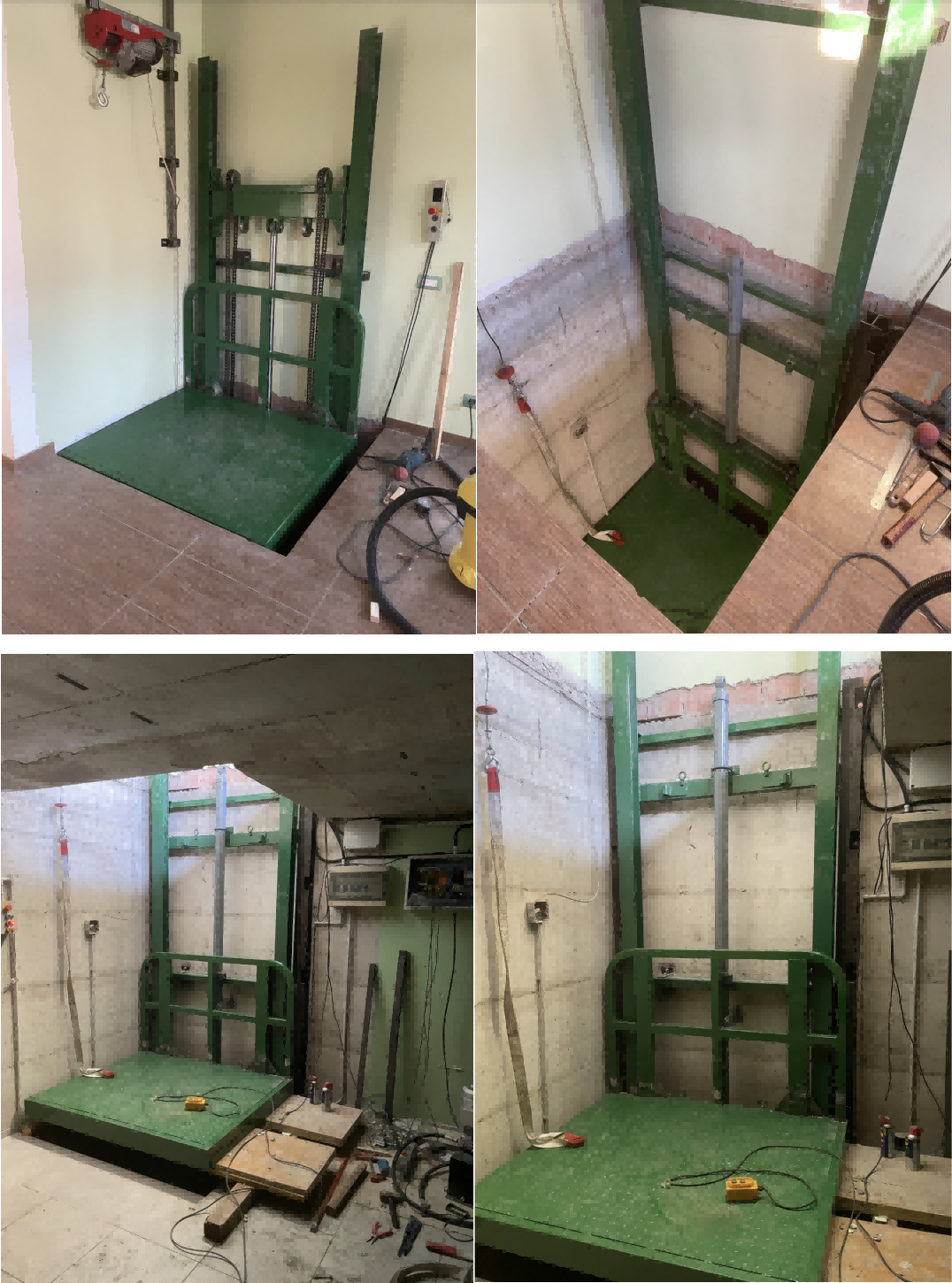
For more information about our freight elevators, please contact us.
Shandong Cathay Machinery Co., Ltd
www.cathaylift.com
Email: sales@cathaylift.com